
Roofing Solutions: Metal vs. Tiles vs. Shingles
Introduction
Your roof is one of the most critical components of your building, protecting it from the elements while contributing to its aesthetics and energy efficiency. Choosing the right roofing solution involves balancing cost, durability, climate suitability, and architectural style.
This comprehensive guide compares the most popular roofing solutions in Kenya, including metal roofing, clay tiles, concrete tiles, asphalt shingles, and modern alternatives. We`'`ll cover system components, installation methods, costs, and maintenance requirements.
💡 Key Insight: Your roofing system accounts for 15-20% of total construction costs. A well-chosen system can last 50+ years and reduce energy bills by up to 30%.
Components of a Roofing System
A complete roofing system consists of several layers and components that work together to provide protection and performance:
1. Structural Support
- Roof Trusses: Prefabricated frames that support the roof.
- Roof Joists: Horizontal members that support the roof deck.
- Roof Deck: Sheathing (typically timber or metal) that forms the base.
2. Underlayment
- Waterproof Membrane: Prevents water infiltration.
- Insulation: Reduces heat transfer and improves energy efficiency.
- Ventilation: Allows air circulation to prevent moisture buildup.
3. Roofing Material
- Primary Covering: The visible roof material (sheets, tiles, shingles).
- Fasteners: Nails, screws, or clips that secure the material.
4. Accessories
- Ridge Cap: Covers the ridge where roof slopes meet.
- Valley Flashing: Waterproofs the intersection of two roof planes.
- Gutters and Downspouts: Direct rainwater away from the building.
- Fascia and Soffit: Finish the roof edges and provide ventilation.
Detailed Material Comparison
1. Metal Roofing
Metal roofing is the most popular choice in Kenya, offering excellent value for money.
Types of Metal Roofing
- Corrugated Iron Sheets: Most common, affordable, available in various gauges (30-34 gauge).
- Tile-Profil Sheets: Profiled to look like clay tiles, offers better aesthetics at a lower cost.
- Corrugated Steel: Premium option with better durability and finish options (pre-painted, galvanized).
Pros
- Affordable (Ksh 800-1,500 per sheet)
- Lightweight and easy to install
- Good heat reflection (especially with coated sheets)
- Fire-resistant and low maintenance
- Long lifespan (20-30 years with proper maintenance)
Cons
- Can be noisy during heavy rain (mitigated with insulation)
- Corrosion risk in coastal areas (use coated sheets)
- Requires insulation for thermal comfort
2. Clay Tiles
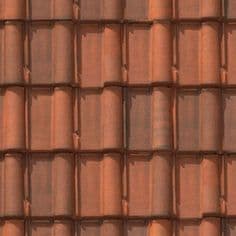
Clay tiles are the premium choice for durability, thermal performance, and aesthetic appeal.
Types of Clay Tiles
- Spanish Tiles: Curved design, popular in Mediterranean architecture.
- Flat Tiles: Clean, modern appearance.
- Interlocking Tiles: Modern design with overlapping edges for better waterproofing.
Pros
- Excellent thermal insulation (reduces cooling/heating costs)
- Durable (50+ years, often lifetime)
- Fireproof and weather-resistant
- Natural appearance, aesthetic appeal
- Low maintenance
Cons
- Expensive (Ksh 3,500-6,000 per m²)
- Heavy (requires stronger roof structure)
- Requires skilled installation
3. Concrete Tiles
Concrete tiles offer a modern alternative to clay tiles with similar benefits at a lower cost.
Pros
- More affordable than clay (Ksh 2,500-4,000 per m²)
- Durable (30-50 years lifespan)
- Fireproof and weather-resistant
- Available in various colours and styles
- Good thermal performance
Cons
- Heavy (requires strong roof structure)
- Can become brittle over time
- May fade in direct sunlight
4. Asphalt Shingles
Asphalt shingles are popular in some regions but less common in Kenya due to climate considerations.
Pros
- Lightweight and affordable (Ksh 1,800-3,000 per m²)
- Easy to install
- Available in many colours and styles
- Good for low-slope roofs
Cons
- Shorter lifespan (15-25 years)
- Less wind resistance
- Not ideal for hot climates (UV damage)
- Higher maintenance requirements
Roofing System Comparison
| Feature | Metal | Clay Tiles | Concrete Tiles | Asphalt Shingles |
|---|---|---|---|---|
| Cost (Ksh/m²) | 1,200-2,500 | 3,500-6,000 | 2,500-4,000 | 1,800-3,000 |
| Lifespan | 20-30 yrs | 50+ yrs | 30-50 yrs | 15-25 yrs |
| Weight | Light | Heavy | Heavy | Light |
| Thermal Insulation | Fair | Excellent | Good | Fair |
| Fire Resistance | Excellent | Excellent | Excellent | Good |
| Wind Resistance | Excellent | Good | Good | Moderate |
| Maintenance | Low | Low | Low | Moderate |
| Installation Time | Fast | Slow | Moderate | Fast |
How to Estimate Roofing System Costs
Estimating a complete roofing system involves multiple cost components:
1. Calculate Roof Area
For a simple gable roof: Roof Area = 2 × (Length × Rafter Length) Where Rafter Length = √(Run² + Rise²)2. Material Components and Costs
| Component | Cost Range (Ksh/m²) |
|---|---|
| Primary Roofing Material | 1,200-6,000 |
| Underlayment | 150-250 |
| Insulation | 300-600 |
| Fasteners & Flashing | 200-400 |
| Gutters & Downspouts | 250-500 |
| Fascia & Soffit | 200-400 |
| Labour | 400-800 |
3. Additional Factors
- Wastage: 5-10% additional material (complex roofs require more)
- Roof Complexity: Hips, valleys, dormers add cost
- Scaffolding: Required for multi-storey buildings
- Accessories: Ridge caps, ventilators, skylights
Practical Example: Complete Roofing System Cost
Let`'`s calculate the total roofing system cost for a 10m × 8m house with a gable roof (5.5m rafter length):
Step 1: Calculate Roof Area
Roof Area = 2 × (10m × 5.5m) = 110 m²Step 2: Complete System Cost (Metal Roofing Example)
| Component | Cost |
|---|---|
| Primary Material | 110m² × Ksh 1,800/m² = Ksh 198,000 |
| Underlayment | 110m² × Ksh 200/m² = Ksh 22,000 |
| Insulation | 110m² × Ksh 450/m² = Ksh 49,500 |
| Fasteners & Flashing | 110m² × Ksh 300/m² = Ksh 33,000 |
| Gutters & Downspouts | 36m × Ksh 350/m = Ksh 12,600 |
| Fascia & Soffit | 36m × Ksh 300/m = Ksh 10,800 |
| Labour | 110m² × Ksh 600/m² = Ksh 66,000 |
| Wastage (10%) | Ksh 39,190 |
| Total | Ksh 431,090 |
💰 Complete System Costs: For a 110m² roof, total system costs:
Metal Roofing: Ksh 350,000-450,000
Concrete Tiles: Ksh 500,000-700,000
Clay Tiles: Ksh 650,000-900,000
Installation Methods
Proper installation is critical for roof performance and longevity:
1. Metal Roofing Installation
- Preparation: Install roof deck, underlayment, and purlins.
- Laying: Start at the eaves, overlap sheets according to slope.
- Fastening: Use appropriate screws with rubber washers to prevent leaks.
- Ridge: Install ridge caps with proper ventilation.
- Flashing: Seal all penetrations and valleys.
2. Tile Roofing Installation
- Preparation: Install roof deck and underlayment.
- Battens: Install tile battens at correct spacing.
- Laying: Start from the eaves, use tiles with proper overlap.
- Fastening: Use clips or nailing for wind resistance.
- Ridge and Valleys: Install special ridge tiles and valley flashing.
⚠️ Important: Always hire experienced, insured roofers for installation. Incorrect installation can void warranties and cause costly damage.
Maintenance Requirements
Regular maintenance extends roof lifespan and prevents costly repairs:
Metal Roofing
- Inspect for rust or damage every 6-12 months
- Recoat if necessary (every 5-10 years)
- Clean gutters and downspouts regularly
- Check and replace loose fasteners
Tile Roofing
- Inspect for cracked or broken tiles yearly
- Replace damaged tiles promptly
- Clean gutters and check for debris
- Check mortar joints at ridge and hips
Asphalt Shingles
- Inspect for curling or missing shingles
- Clean gutters and check for granules in gutters
- Replace damaged shingles immediately
- Check around vents and penetrations
Climate-Specific Recommendations for Kenya
Coastal Region (Mombasa, Malindi, Lamu)
- Best Option: Clay tiles or coated metal
- Why: Resists salt corrosion, provides excellent insulation
- Avoid: Uncoated metal (rusts quickly in salt air)
Highland Region (Nairobi, Kiambu, Nakuru)
- Best Option: Metal roofing with insulation
- Why: Good balance of cost and performance
- Avoid: Thin gauge metal without insulation
Rift Valley (Eldoret, Kisumu)
- Best Option: Metal or concrete tiles
- Why: Handles temperature variations well
- Avoid: Light-coloured asphalt shingles prone to fading
Common Mistakes to Avoid
- Inadequate slope: Minimum slope for metal roofing is 5°; tiles require 10°.
- Poor ventilation: Insufficient airflow causes condensation and rot.
- Incorrect fastening: Over-tightening causes leaks; under-tightening allows lifting.
- Missing flashings: All penetrations and valleys must be properly flashed.
- No insulation: Uninsulated metal roofs are noisy and energy-inefficient.
- Walking on tiles: Tiles can crack under foot; use proper walkways.
Best Practices for Roofing Projects
- Design properly: Work with an experienced structural engineer or architect.
- Choose quality materials: Invest in certified, guaranteed products.
- Hire licensed professionals: Certified roofers ensure proper installation.
- Consider insulation: Proper insulation saves energy costs and improves comfort.
- Plan for maintenance: Include safe access points for future inspections.
- Check warranties: Understand material and installation guarantees.
Conclusion
Choosing the right roofing solution is one of the most important decisions in construction. Consider your climate, budget, building design, and long-term maintenance goals when making your selection.
Metal roofing remains the most practical choice for most projects in Kenya, offering the best balance of cost, durability, and performance. For premium projects, clay or concrete tiles provide superior thermal performance and aesthetic appeal.
Next steps: Check our Roofing Material Guide for material-specific information, or use our Estimation Toolto calculate your complete roofing costs.