
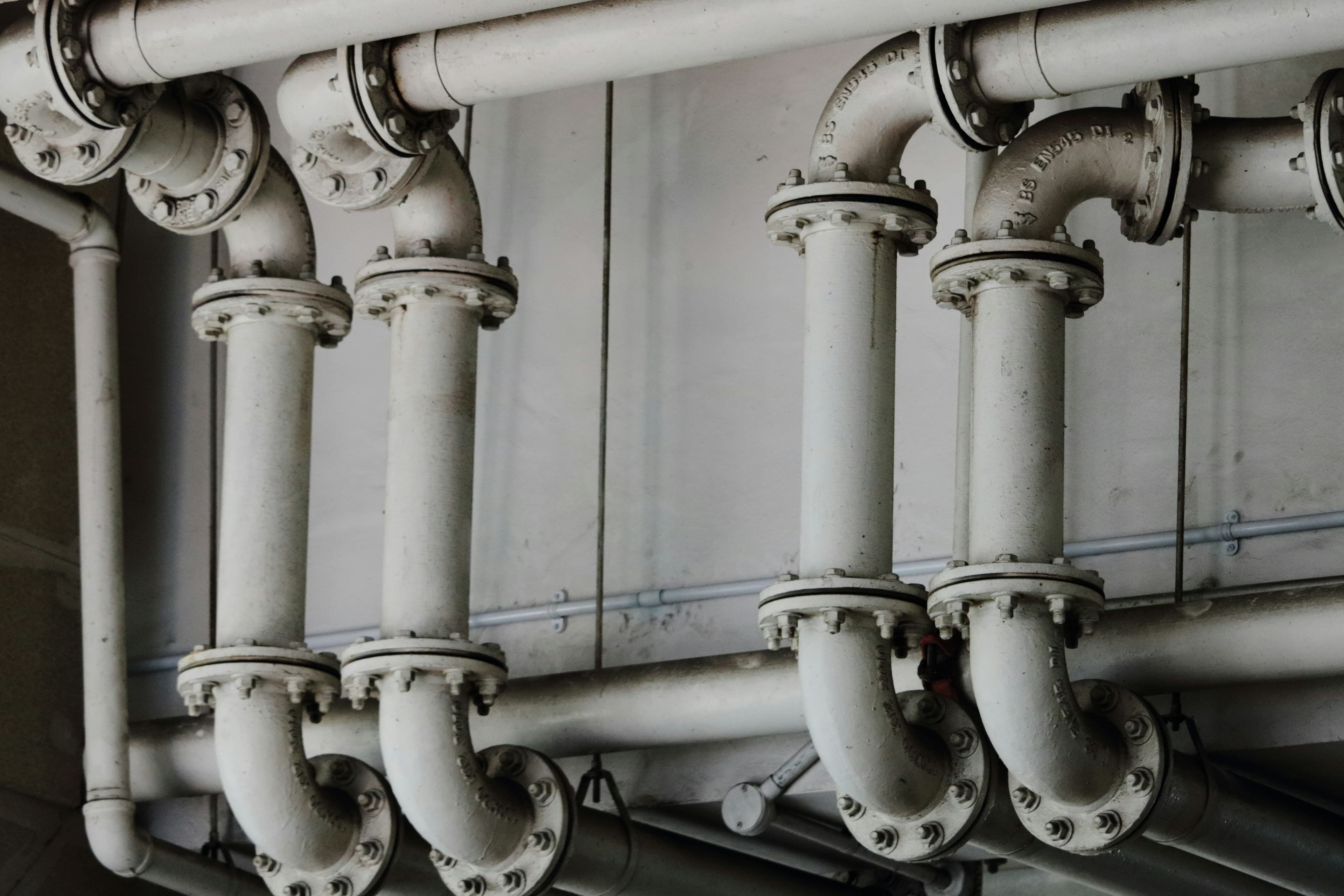
Plumbing System Design: Pipes, Fixtures, and Cost Saving
Introduction
A well-designed plumbing system ensures reliable water supply, efficient drainage, and long-term durability. Poor plumbing design leads to leaks, water damage, health hazards, and costly repairs. This comprehensive guide covers everything from pipe materials to fixture selection, drainage systems, and cost-saving strategies.
Whether you`'`re building a residential home, commercial building, or undertaking a renovation, understanding plumbing system design is essential for success.
💡 Key Insight: Plumbing typically accounts for 10-15% of total construction costs. Smart design choices can reduce both initial costs and lifetime maintenance expenses.
Components of a Plumbing System
A complete plumbing system consists of several interconnected components:
- Water Supply System: Pipes that bring fresh water into the building.
- Drainage System: Pipes that carry wastewater out of the building.
- Fixtures: Sinks, toilets, showers, bathtubs, and appliances.
- Valves and Fittings: Control water flow and direction.
- Water Heating System: Provides hot water for various uses.
- Ventilation System: Allows air to enter drainage pipes to prevent traps from siphoning.
Pipe Materials Comparison
Choosing the right pipe material is crucial for durability, cost, and performance. Here`'`s a detailed comparison of the most common pipe materials available in Kenya:
1. PVC Pipes (Polyvinyl Chloride)
PVC is the most widely used pipe material in Kenya, particularly for drainage and cold water supply.
- Pros: Affordable, lightweight, corrosion-resistant, easy to install
- Cons: Not suitable for hot water (warps at high temperatures), can become brittle with age
- Applications: Cold water supply, drainage, waste, vent pipes
- Lifespan: 25-40 years
- Cost: Ksh 150-500 per 6m length (depending on diameter)
2. Copper Pipes
Copper pipes are the premium choice for water supply, particularly hot water systems.
- Pros: Durable, corrosion-resistant, safe for drinking water, recyclable
- Cons: Expensive, requires professional installation, can develop pinhole leaks
- Applications: Hot and cold water supply, heating systems
- Lifespan: 50-70 years
- Cost: Ksh 2,500-5,000 per 6m length (depending on diameter)
3. PEX Pipes (Cross-linked Polyethylene)
PEX is a modern, flexible pipe material gaining popularity in Kenya.
- Pros: Flexible, expands to prevent freezing damage, easy to install, fewer fittings
- Cons: Cannot be used for exterior applications, UV sensitive, requires specialized fittings
- Applications: Hot and cold water supply, radiant floor heating
- Lifespan: 40-50 years
- Cost: Ksh 800-2,000 per 6m length (depending on diameter)
4. CPVC Pipes (Chlorinated PVC)
CPVC is a variant of PVC that can handle hot water, making it a popular choice for both hot and cold water supply.
- Pros: More affordable than copper, handles hot water, corrosion-resistant
- Cons: Can become brittle over time, requires solvent welding
- Applications: Hot and cold water supply
- Lifespan: 30-50 years
- Cost: Ksh 300-800 per 6m length (depending on diameter)
5. Galvanized Iron Pipes
Galvanized iron pipes were once common but are now rarely used for new installations.
- Pros: Strong, durable, familiar to older plumbers
- Cons: Heavy, prone to internal corrosion, can affect water quality, difficult to work with
- Applications: Older buildings, industrial applications
- Lifespan: 20-30 years (corrosion reduces lifespan)
- Cost: Ksh 400-1,000 per 6m length (depending on diameter)
Quick Pipe Material Comparison
| Material | Hot Water | Cost | Lifespan | Corrosion | Installation |
|---|---|---|---|---|---|
| PVC | No | Low | 25-40 yrs | Excellent | Easy |
| Copper | Yes | High | 50-70 yrs | Excellent | Professional |
| PEX | Yes | Medium | 40-50 yrs | Excellent | Easy |
| CPVC | Yes | Medium | 30-50 yrs | Good | Moderate |
| Galvanized | Yes | Medium | 20-30 yrs | Poor | Difficult |
💡 Recommendation: For most modern buildings, we recommend using PVC for drainage and CPVC or PEX for hot and cold water supply. Copper is best for high-end installations or where maximum durability is required.
Fixture Selection
Choosing the right fixtures can reduce water consumption and long-term costs:
Water-Efficient Fixtures
| Fixture | Standard | Water-Efficient | Water Saving |
|---|---|---|---|
| Toilet | 13-16 L/flush | 4.5-6 L/flush | 60-70% |
| Shower | 15-20 L/min | 9-12 L/min | 30-40% |
| Faucet | 10-12 L/min | 5-7 L/min | 40-50% |
💰 Cost Saving:Water-efficient fixtures cost slightly more upfront but reduce water bills by 30-50% over the building`'`s lifetime.
Water Distribution Systems
The layout of your water distribution system affects cost, performance, and maintenance. Here are the common layouts:
1. Dead-End System (Tree System)
- Description: Main pipe runs through the building with branches to fixtures.
- Pros: Simple, cost-effective, easy to design
- Cons: Potential water stagnation, pressure drops at distant fixtures
- Best for: Small residential buildings
2. Grid Iron System
- Description: Interconnected pipes form a grid pattern.
- Pros: Balanced water pressure, multiple supply paths
- Cons: More complex design, higher material cost
- Best for: Large residential, commercial buildings
3. Ring System
- Description: Main pipe loops around the building.
- Pros: Excellent pressure maintenance, easy to extend
- Cons: Higher installation cost
- Best for: Large buildings, high-rise apartments
Drainage Systems
A properly designed drainage system prevents health hazards and property damage:
Key Drainage Components
- Drain Pipes: Carry wastewater from fixtures to the main sewer.
- Traps: U-shaped pipes that hold water to prevent sewer gases from entering.
- Vent Pipes: Allow air into drainage pipes to prevent traps from siphoning.
- Cleanouts: Access points for clearing blockages.
- Stormwater Drainage: Separate system for rainwater.
Drainage System Types
- Single Stack System: One main pipe serves both drainage and ventilation.
- Two-Pipe System: Separate pipes for drainage and ventilation.
- Sanitary System: Dedicated drainage for human waste.
⚠️ Important: Proper slope is critical for drainage pipes. Maintain a minimum slope of 1:100 (1 cm drop per metre) for gravity drainage.
How to Estimate Plumbing Costs
Estimating plumbing costs involves multiple components:
1. Material Costs
- Pipes: Determine lengths and diameters needed for each system.
- Fittings: Elbows, tees, reducers, couplings, valves.
- Fixtures: Toilets, sinks, showers, faucets, water heaters.
- Accessories: Traps, cleanouts, hangers, insulation.
2. Labour Costs
- Installation: Pipe laying, fitting, fixture installation.
- Testing: Pressure testing, leak testing.
- Commissioning: System startup and testing.
3. Additional Considerations
- Water supply connection: Fees from water utility
- Septic system: If not connected to municipal sewer
- Water treatment: Filtration, softening systems
Practical Example: 3-Bedroom House Plumbing Cost
Here`'`s a breakdown of typical plumbing costs for a standard 3-bedroom house (approx. 120m²) in Kenya:
| Item | Materials (Ksh) | Labour (Ksh) | Total (Ksh) |
|---|---|---|---|
| Pipe Materials | 35,000 | 25,000 | 60,000 |
| Fittings & Valves | 15,000 | 10,000 | 25,000 |
| Fixtures | 80,000 | 20,000 | 100,000 |
| Water Heater | 25,000 | 8,000 | 33,000 |
| Drainage | 20,000 | 15,000 | 35,000 |
| Septic Tank | 25,000 | 15,000 | 40,000 |
| Total | 200,000 | 93,000 | 293,000 |
💰 Cost Range: For a 3-bedroom house, total plumbing costs typically range from Ksh 250,000-400,000 depending on material quality and fixture selection.
Cost Saving Strategies
- Plan efficiently: Design pipe routes to minimise length and fittings.
- Group fixtures together: Cluster bathrooms and kitchens to reduce pipe runs.
- Choose smart materials: Use CPVC or PEX instead of copper for cost savings.
- Buy in bulk: Purchase all materials at once to get volume discounts.
- Use pre-fabricated assemblies: Reduces labour time and errors.
- Consider greywater systems: Reuse water from sinks and showers for irrigation.
- Install water-efficient fixtures: Reduces long-term water bills.
Common Mistakes to Avoid
- Using wrong pipe size: Pipes too small cause pressure drops; too large waste money.
- Insufficient slope: Inadequate slope causes slow drainage and blockages.
- Incorrect venting: Unvented traps allow sewer gases to enter the building.
- Missing cleanouts: No access points for clearing blockages.
- Mixing metals: Using dissimilar metals causes galvanic corrosion.
- Poor insulation: Uninsulated pipes cause heat loss and condensation.
- Not pressure testing: Failure to test leads to hidden leaks.
Best Practices for Plumbing Installation
- Hire licensed professionals: Certified plumbers ensure code compliance.
- Follow local building codes: Ensure all installations meet regulations.
- Use quality materials: Invest in certified, guaranteed products.
- Pressure test all systems: Test before covering pipes.
- Insulate hot water pipes: Reduces heat loss and saves energy.
- Provide adequate access: Include access panels for future maintenance.
- Document the system: Create as-built drawings for future reference.
Conclusion
A well-designed plumbing system is essential for the comfort, hygiene, and durability of any building. By choosing the right materials, designing efficient layouts, and following best practices, you can create a reliable system that minimizes costs and maximizes performance.
Remember to always work with qualified professionals, use quality materials, and plan for future maintenance. A good plumbing system should last 30-50 years with proper care.
Next steps: Check our Steel Reinforcement Guide for structural insights, or use our Estimation Toolto calculate your plumbing costs.